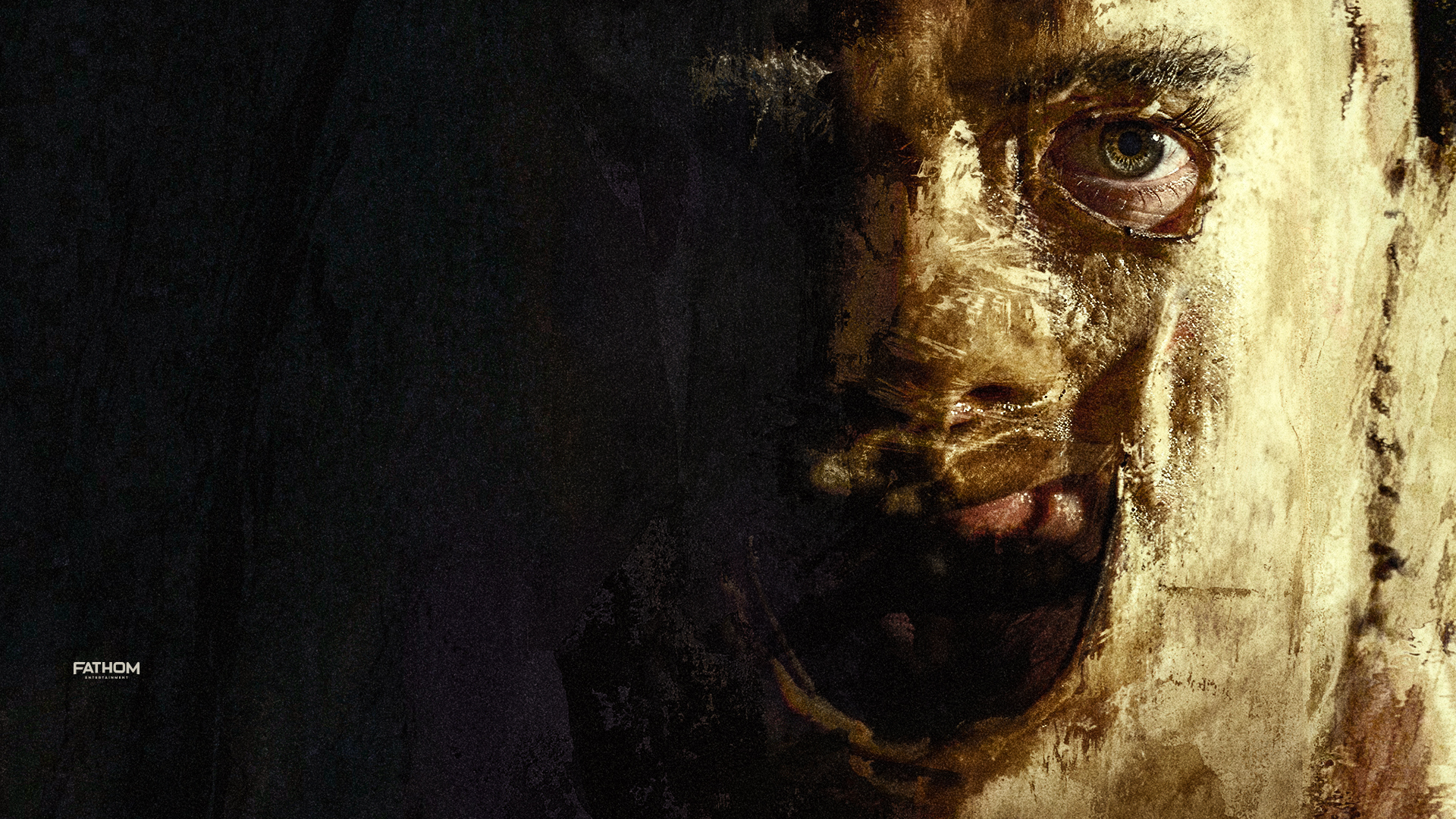
The Chainsaw That Changed Horror: Directors Inspired by The Texas Chain Saw Massacre
Written by on Jul 31, 2026 6:00 PM


Written by on Jul 31, 2026 6:00 PM
Some horror movies become classics. Others become blueprints.
When The Texas Chain Saw Massacre arrived in 1974, audiences had never seen anything quite like it. It didn’t rely on elaborate visual effects or buckets of blood. Instead, director Tobe Hooper crafted something that felt unsettlingly real. The sweltering Texas heat, the documentary-like camerawork, the deafening sound design, and the relentless chase sequences combined to create an experience that audiences didn’t simply watch. They endured it.
That raw authenticity has made The Texas Chain Saw Massacre one of the most influential horror films ever made.
More than fifty years later, its fingerprints can still be found across modern horror. Some directors borrow its gritty realism. Others chase its overwhelming sense of dread. Many simply point to it as the movie that convinced them horror could be art.
With the film returning to theatres nationwide for Texas Chain Saw Day, we risked a seat at the Sawyer family dinner table to explore the filmmakers inspired by Tobe Hooper’s horror masterpiece.
Few directors wear their Texas Chain Saw influence more proudly than Rob Zombie.
Films like House of 1000 Corpses and The Devil’s Rejects embrace many of the same elements that made Tobe Hooper’s masterpiece unforgettable. Isolated backroads, unsettling roadside attractions, eccentric killer families and an overwhelming sense of decay all echo the nightmare audiences first experienced in 1974.
Zombie has often celebrated the raw, independent spirit of The Texas Chain Saw Massacre, and it shows in his filmmaking. Rather than polished horror, he fills his movies with grimy production design, handheld camerawork, and characters who feel unpredictable and dangerous. Like Hooper, Zombie understands that the setting itself can become one of the film’s greatest villains.
If one modern horror film feels like a spiritual cousin to The Texas Chain Saw Massacre, it’s X.
Rather than simply borrowing ideas from classic horror, Ti West recreated the atmosphere that made seventies horror so unforgettable. The rural Texas setting, sunbaked landscapes, slow-building dread and naturalistic cinematography all recall the oppressive feeling that surrounded Leatherface’s terrifying world.
West also embraces one of Hooper’s greatest strengths: patience. Instead of rushing toward scares, he allows tension to simmer until every conversation and every quiet moment feels loaded with danger. By the time violence erupts, audiences already feel trapped.
It’s proof that the techniques pioneered by The Texas Chain Saw Massacre remain just as effective today.
Whether it’s Don’t Breathe or Evil Dead, Fede Álvarez excels at placing ordinary people inside extraordinary nightmares.
One of the defining qualities of The Texas Chain Saw Massacre is how little relief it gives its audience once the terror begins. Sally’s desperate escape becomes an exhausting fight for survival, with every wrong turn making the nightmare worse.
Álvarez follows a remarkably similar approach. His films trap characters in confined spaces, remove any sense of safety, and force audiences to endure every terrifying moment alongside them. Like Hooper, he understands that horror becomes even more effective when viewers feel physically exhausted by the experience.
The relentless momentum that defined The Texas Chain Saw Massacre continues to influence survival horror nearly fifty years later.
When Tobe Hooper made The Texas Chain Saw Massacre, few expected an independently made horror film to become one of the most influential movies ever released.
That success changed the perception of what independent filmmakers could accomplish.
Damien Leone has carried that same spirit into the modern era. Building the Terrifier franchise through practical effects, grassroots support and passionate horror fans, Leone has shown that independent creators can still compete with major studio productions.
Like Hooper, Leone embraces practical craftsmanship over expensive spectacle. While their approaches to gore differ dramatically, both filmmakers demonstrate that memorable horror comes from commitment, creativity and an unmistakable artistic vision rather than unlimited resources.
James Wan helped redefine horror for a new generation with Saw, Insidious and The Conjuring, but beneath the polished cinematography lies a philosophy that traces back to Tobe Hooper.
One of the greatest lessons from The Texas Chain Saw Massacre is that anticipation is often more terrifying than what audiences actually see. Hooper stretches moments of silence, lets uncomfortable situations linger and allows viewers’ imaginations to heighten the fear.
Wan has built much of his career around that same principle. His films carefully control pacing, using camera movement, sound design, and silence to create unbearable suspense before delivering a scare. While their visual styles differ, both directors understand that tension is horror’s most powerful weapon.
Jordan Peele’s films explore very different themes than The Texas Chain Saw Massacre, but they share one quality that made Hooper’s original so unforgettable: they feel believable.
Part of what made audiences think The Texas Chain Saw Massacre was based on real events wasn’t just the marketing. It was Hooper’s documentary-inspired filmmaking. The natural performances, authentic locations and grounded world made every terrifying moment feel possible.
Peele applies a similar philosophy. Whether examining race, identity or social anxiety, his stories begin in recognizable reality before gradually slipping into horror. That realism makes every shocking moment land even harder, proving that believable worlds often create the scariest stories.
Every generation discovers The Texas Chain Saw Massacre.
Some become lifelong fans.
Others become filmmakers.
Curry Barker represents a new generation of horror storytellers who grew up studying classics like The Texas Chain Saw Massacre while building their own audiences through YouTube, short films and independent features. Like Hooper, Barker has demonstrated that compelling horror doesn’t require enormous budgets. It requires strong characters, mounting tension and the confidence to let suspense do the heavy lifting.
His filmmaking reflects many of the qualities that made Hooper’s work timeless: grounded performances, practical effects, emotional stakes and a willingness to place ordinary people in situations that spiral terrifyingly out of control.
Now, Barker is preparing to direct the newest Texas Chain Saw Massacre film, bringing the franchise full circle. More than fifty years after Leatherface first slammed that metal door shut, one of horror’s most influential films continues to inspire the next generation of filmmakers, ensuring its legacy remains as powerful as ever.
The influence of The Texas Chain Saw Massacre reaches far beyond Leatherface.
It lives in the grimy worlds of Rob Zombie, the vintage atmosphere of Ti West, the relentless pacing of Fede Álvarez, the independent success of Damien Leone, the suspense crafted by James Wan, the grounded horror of Jordan Peele and the next generation of filmmakers like Curry Barker.
More than five decades after its release, Tobe Hooper’s masterpiece continues to shape horror in ways both obvious and unexpected.
That’s the mark of a truly legendary film.






"*" indicates required fields

