Travel Like a Ghibli Film: Real-World Locations Behind Studio Ghibli Fest 2026
Written by on Apr 17, 2026 10:35 AM


Written by on Apr 17, 2026 10:35 AM
There is a certain kind of magic that lingers after watching a Studio Ghibli film. They do not just show you a place. They invite you to feel it. The wind moves through the grass, cicadas hum in the distance, and sunlight settles softly on wooden floors. These worlds stay with you because they are rooted in places that exist beyond the screen.
Traveling to the locations that inspired these stories feels less like sightseeing and more like stepping into a familiar dream. You begin to notice the details Studio Ghibli films gently highlight. A path that curves just out of sight. A harbor that moves with its own rhythm. The magic does not announce itself. It unfolds slowly, inviting you to pay attention.
With the magic of Studio Ghibli Fest 2026 returning to theatres nationwide, we stepped beyond the screen and into the places that helped shape these stories.
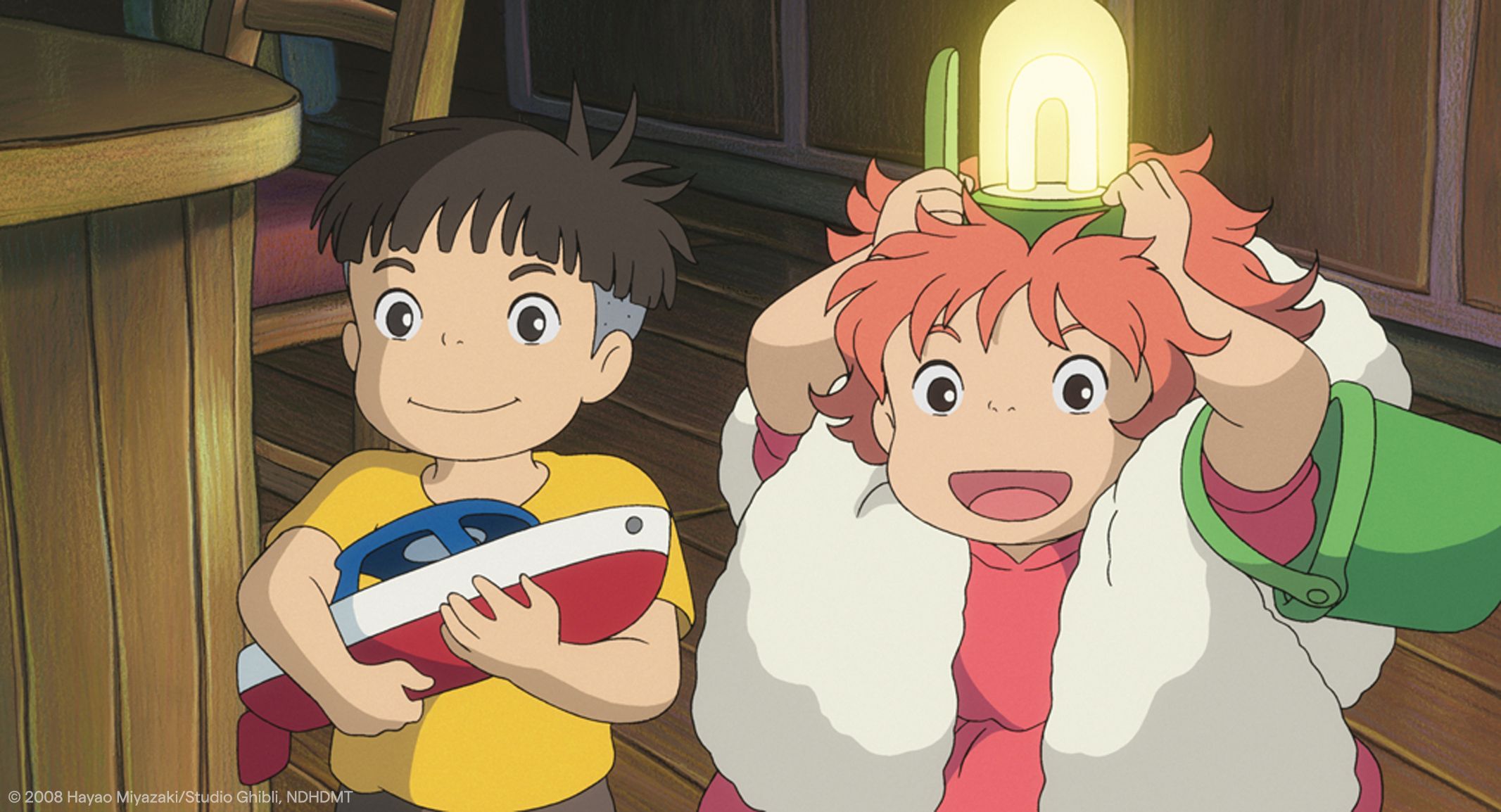
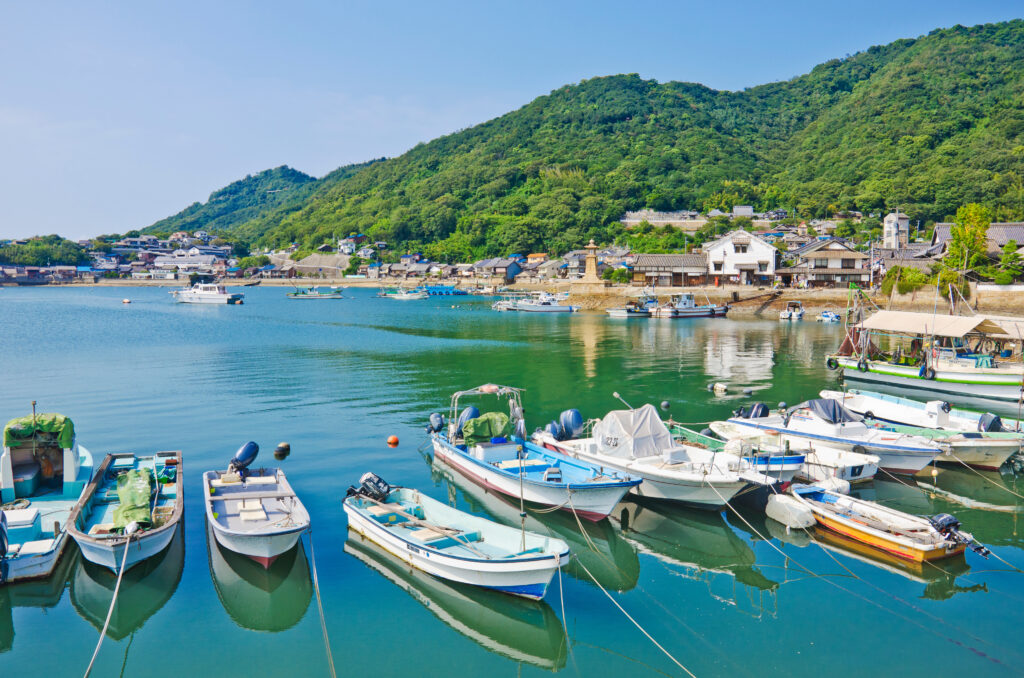
In Ponyo, the ocean is never just a backdrop. It feels alive, shifting between stillness and sudden energy, much like Ponyo herself. That same quiet magic lingers in Tomonoura, a small port town at the southern edge of Fukuyama in Hiroshima Prefecture. Places like this helped shape the imagination of Hayao Miyazaki and Hiromasa Yonebayashi, where the sea is not separate from daily life but gently woven into it.
Tomonoura reflects that balance in a softer, more grounded way. The harbor stretches toward the horizon while remaining close and intimate. Fishing boats drift across the water, and narrow streets wind between old wooden houses filled with quiet history. Everything moves with the rhythm of the sea, steady and unhurried.
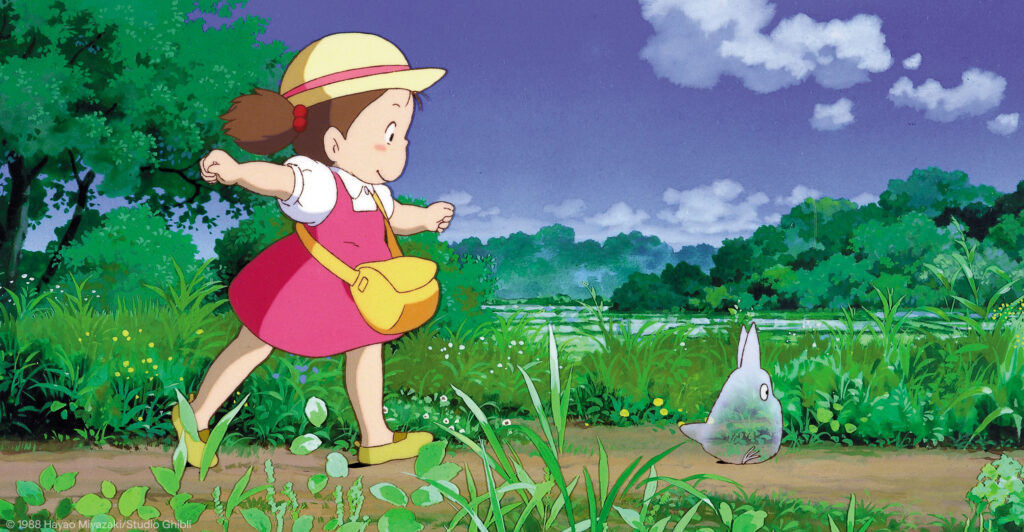
My Neighbor Totoro captures childhood wonder through small, everyday discoveries. The forest is not magical because something dramatic happens. It feels magical because you are open to noticing it. Sayama Hills, often called Totoro Forest, carries that same quiet energy. Sunlight filters through the trees in soft green patterns, and the trails invite you to wander without urgency. Every rustle of leaves or distant bird call feels like it could lead to something hidden.
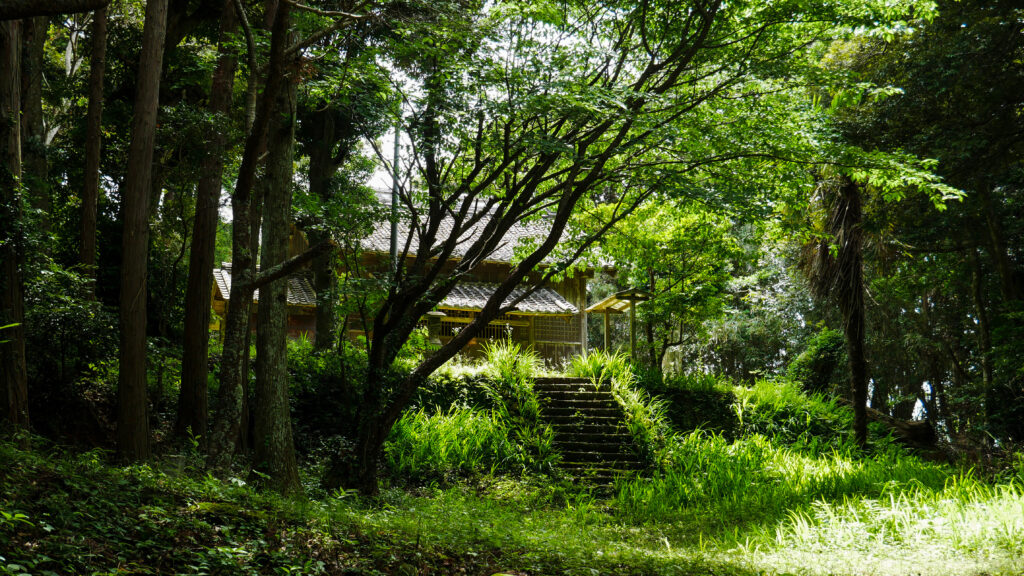
The film’s story centers on the Kusakabe sisters learning to see the world differently after moving to the countryside. Walking through Sayama Hills creates that same shift in perspective. You slow down. You pay attention.
In addition, Sayama Hills also reflects the film’s environmental message. Conservation efforts here were inspired directly by Totoro’s legacy. The forest is not just a reference. It is a continuation of the story’s values.

Tales from Earthsea carries a more introspective tone than most Studio Ghibli films. It explores imbalance, identity, and the weight of choices. Gotland Island mirrors that mood with its stark beauty and long history. The winds feel stronger here, and the sea stretches wide and uninterrupted. In Visby, medieval stone walls and weathered buildings create a sense of time that feels almost suspended.
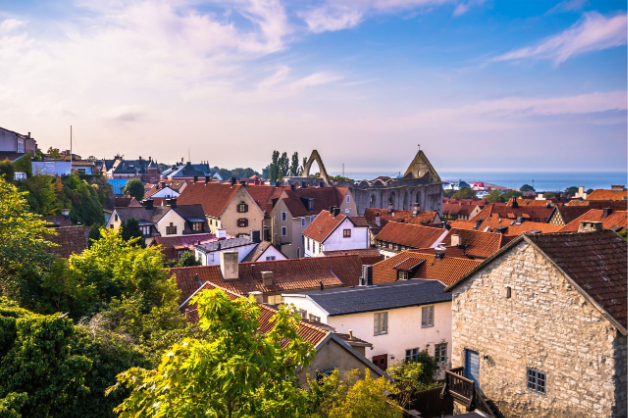
Goro Miyazaki drew from European landscapes to shape Earthsea’s world. As you walk along the old city walls or through narrow cobblestone streets, it becomes easy to imagine the film’s quiet tension. You can almost picture dragons in the distance or feel the presence of something ancient just beneath the surface.
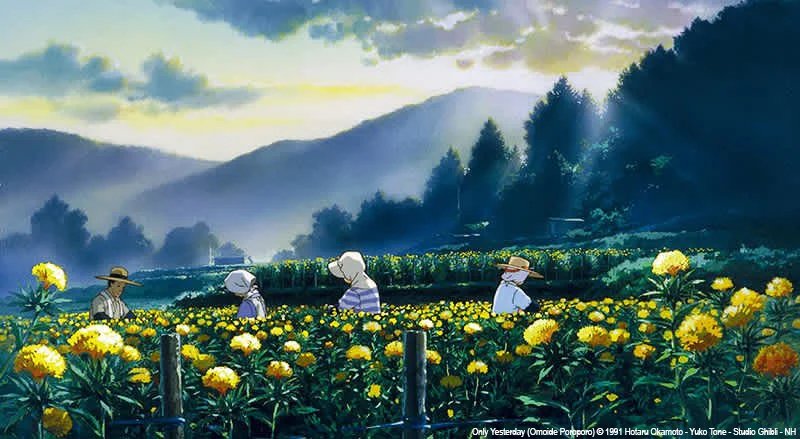
Only Yesterday finds meaning in memory and the passage of time. It moves between past and present, showing how small moments shape who we become. Yamagata’s countryside brings that idea into focus. The rolling fields stretch beneath open skies, and the seasons define everything. Summer feels full and alive. Autumn turns the land into deep gold and red, echoing the film’s reflective tone.
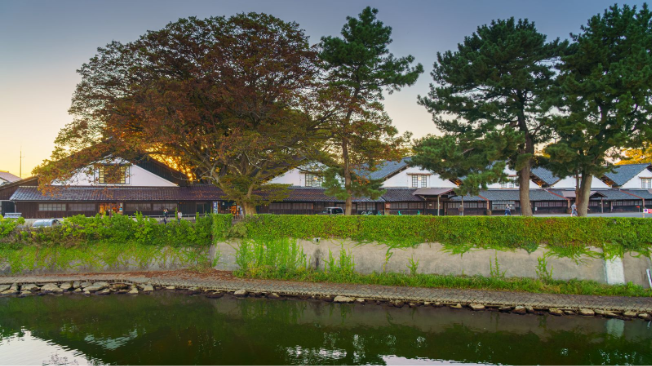
Taeko’s journey in the film centers on reconnecting with rural life and rediscovering herself through simple experiences. You can step into that same rhythm here. Visit a local farm, share a meal, or listen to stories from the people who live there.
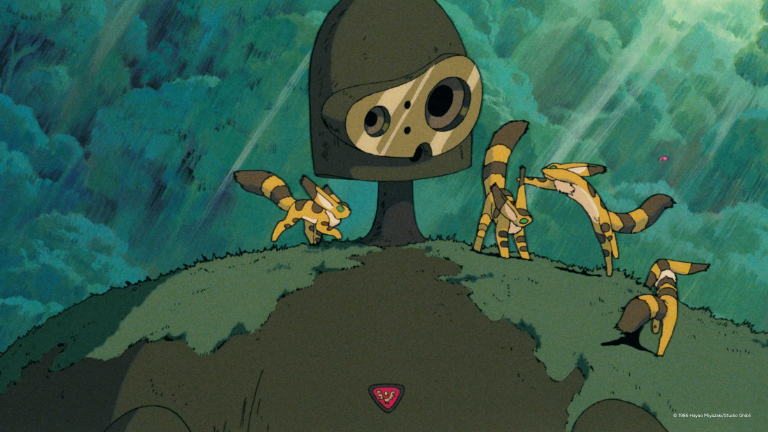
Castle in the Sky blends industrial grit with dreamlike wonder. Floating cities and ancient technology exist alongside working towns and close-knit communities. The Rhondda Valley in Wales reflects that contrast beautifully. Rows of terraced houses climb the hills, and mist settles low in the mornings. Remnants of mining history still shape the landscape, while nature slowly softens the edges.
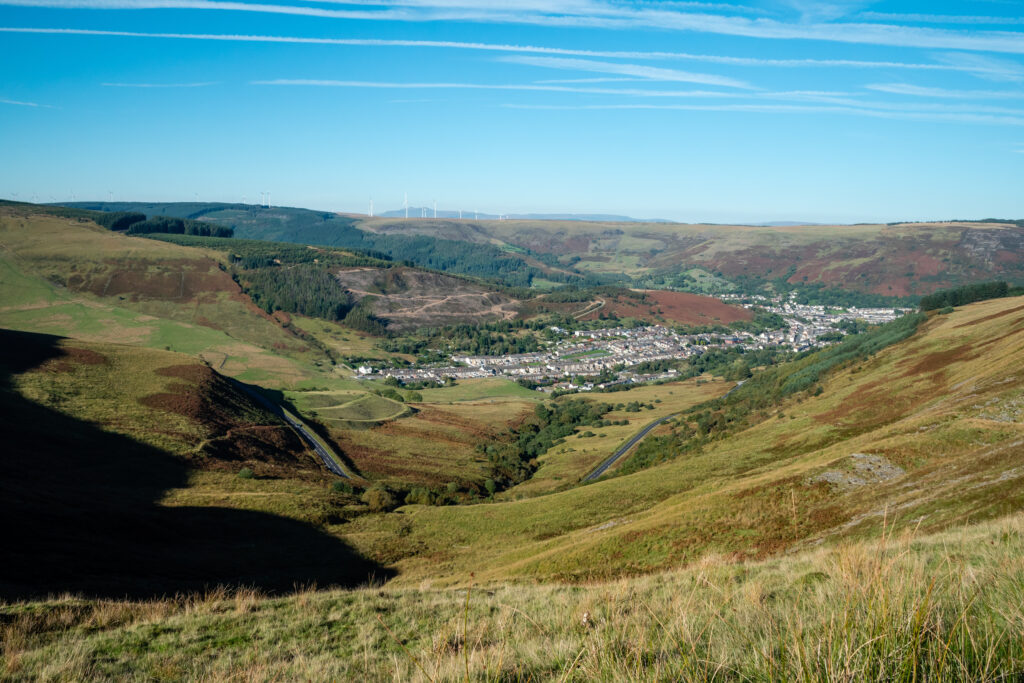
Miyazaki took inspiration from Welsh mining communities to ground the film’s world. That influence shows the story values resilience, teamwork, and connection. As you walk through the valley, you can feel that balance. The land carries both history and renewal. It mirrors the film’s central idea that progress and humanity must find a way to coexist.
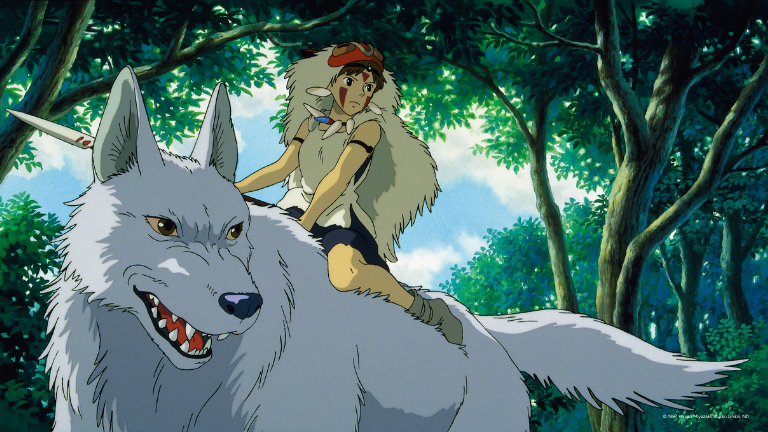
Few places feel as deeply connected to a Studio Ghibli film as Yakushima does to Princess Mononoke. The film treats nature as powerful, complex, and deserving respect. Yakushima embodies that completely.
The island’s ancient cedar forests feel almost otherworldly. Moss covers the ground, and towering trees disappear into mist above you. In Shiratani Unsuikyo, every step feels deliberate. Hayao Miyazaki visited Yakushima during the development of the film, and its influence extends beyond visual inspiration. He spent time walking through forests, absorbing not just their appearance but their atmosphere. The quiet density of the woods, the sense that life exists at every level from the soil to the highest branches, shaped how the film understands nature itself.
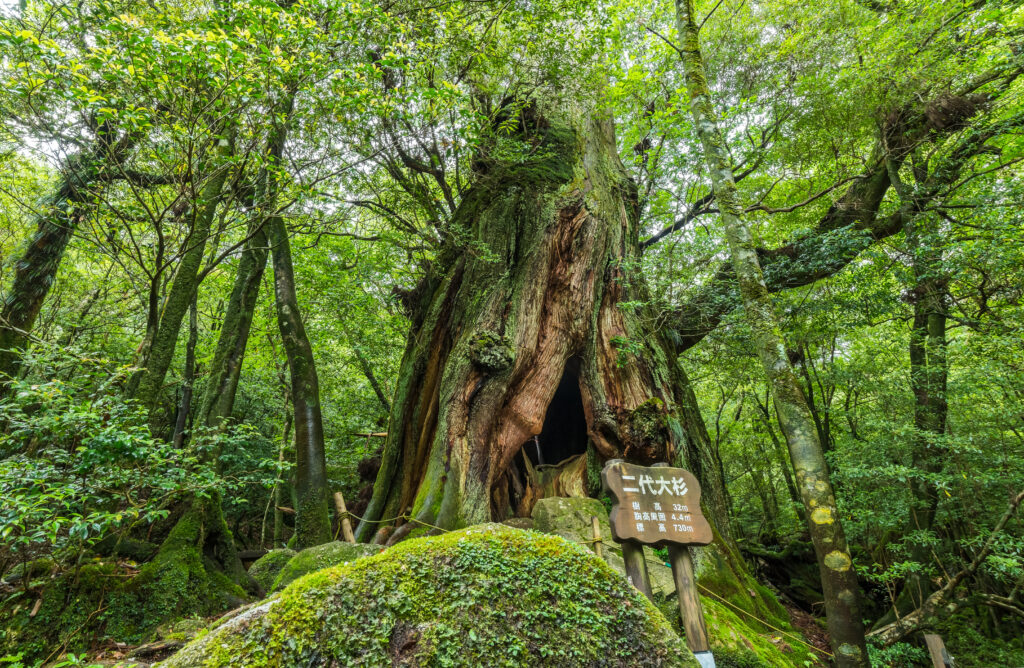
In Princess Mononoke, the forest is never passive. It breathes, watches, and responds. This idea echoes Yakushima’s ecosystem, where centuries-old trees coexist with thick undergrowth, flowing water, and persistent fog. Nothing feels isolated. Everything feels interconnected and in motion.

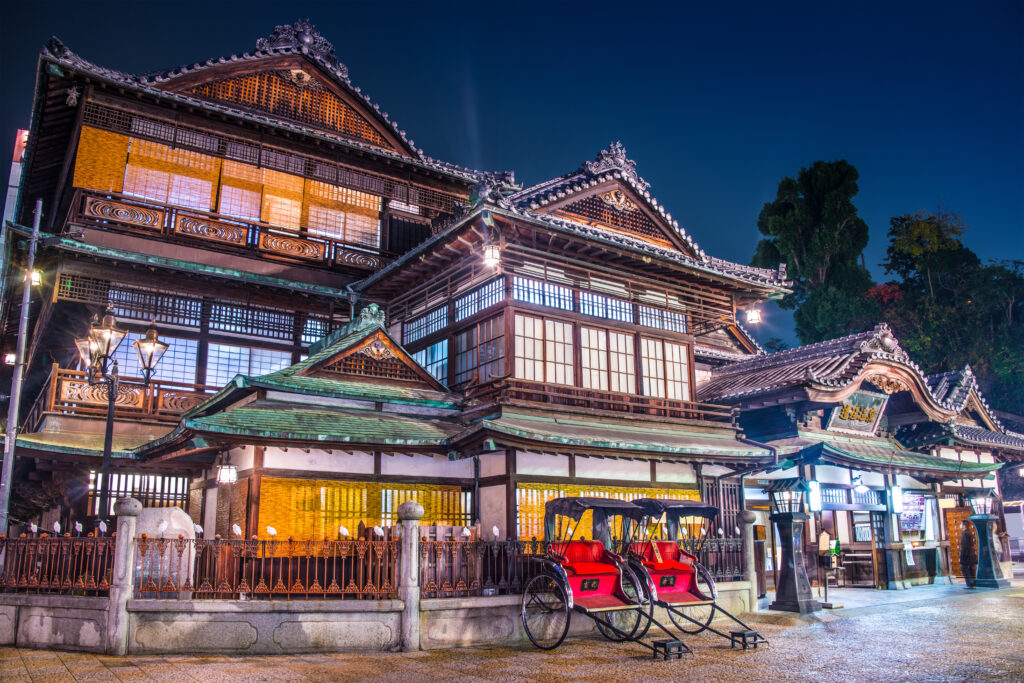
Spirited Away builds its world from layers of inspiration, blending the familiar with the surreal. That is why no single location defines it. Instead, places like Jiufen and Dogo Onsen capture different parts of its identity. Jiufen comes alive at night. Lanterns glow along narrow alleyways, and teahouses stack along the hillside. The sense of vertical space and hidden corners mirrors Chihiro’s journey through the spirit world. You may feel slightly lost as you explore, but that feeling is part of the experience.
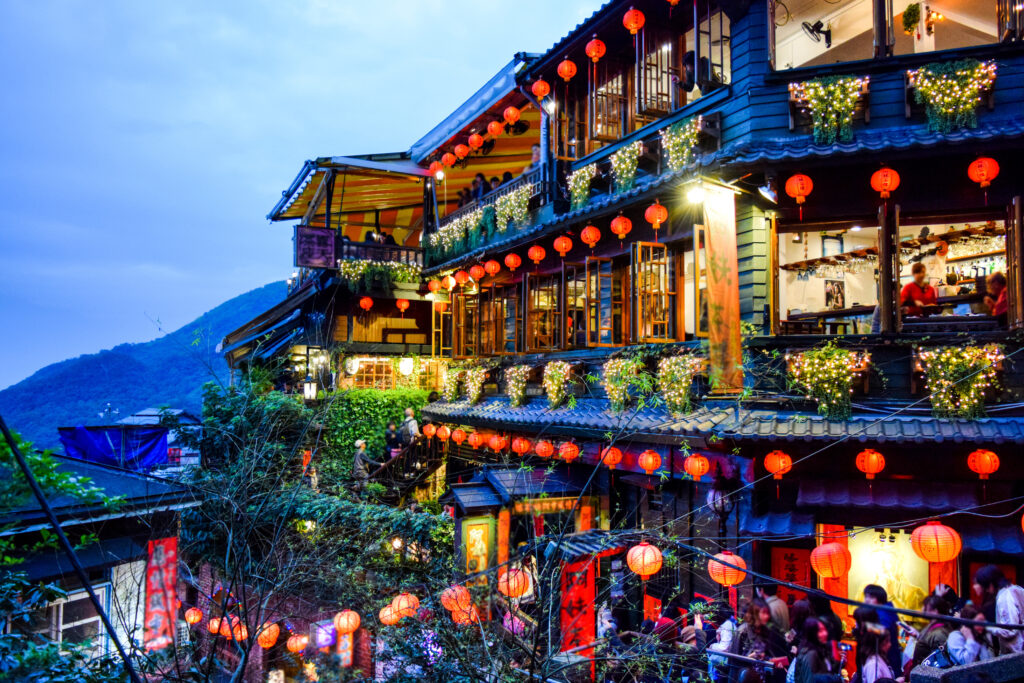
Dogo Onsen, on the other hand, connects directly to the bathhouse at the center of the film. Its wooden architecture and layered interior spaces reflect the structure where much of the story unfolds. Together, these places show how Spirited Away transforms real environments into something dreamlike. They remind you that even the most imaginative worlds begin with something tangible.
Sign up for our newsletter to keep up to date with all our screenings.





"*" indicates required fields

