5 Things We Learn From Fried Green Tomatoes, 35 Years Later
Written by on May 01, 2026 12:06 PM


Written by on May 01, 2026 12:06 PM
35 years after its release, Fried Green Tomatoes still invites viewers to slow down and stay awhile. Filled with charm, humor, and small-town quirks, at first glance the film feels like a gentle Southern story. Sit with it a little longer, and it opens into something deeper. Beneath the warmth lies a layered story about identity, injustice, love, and the quiet ways people show up for one another when it matters most.
The film moves between the past and present with a steady rhythm. It draws you into Whistle Stop while showing how its story carries forward. The characters feel real and grounded. They carry both tenderness and grit, and their choices leave a lasting mark.
What allows the story to endure is its honesty and the lessons it leaves behind. Highlighting resilience without looking away from hardship, valuing connection while recognizing that it often comes at a cost. These moments stick with viewers, lingering long after the credits roll.
With the 35th anniversary of Fried Green Tomatoes returning to theatres nationwide May 10 & 13, we’re taking a moment to reflect on five lessons from Whistle Stop that still resonate today.
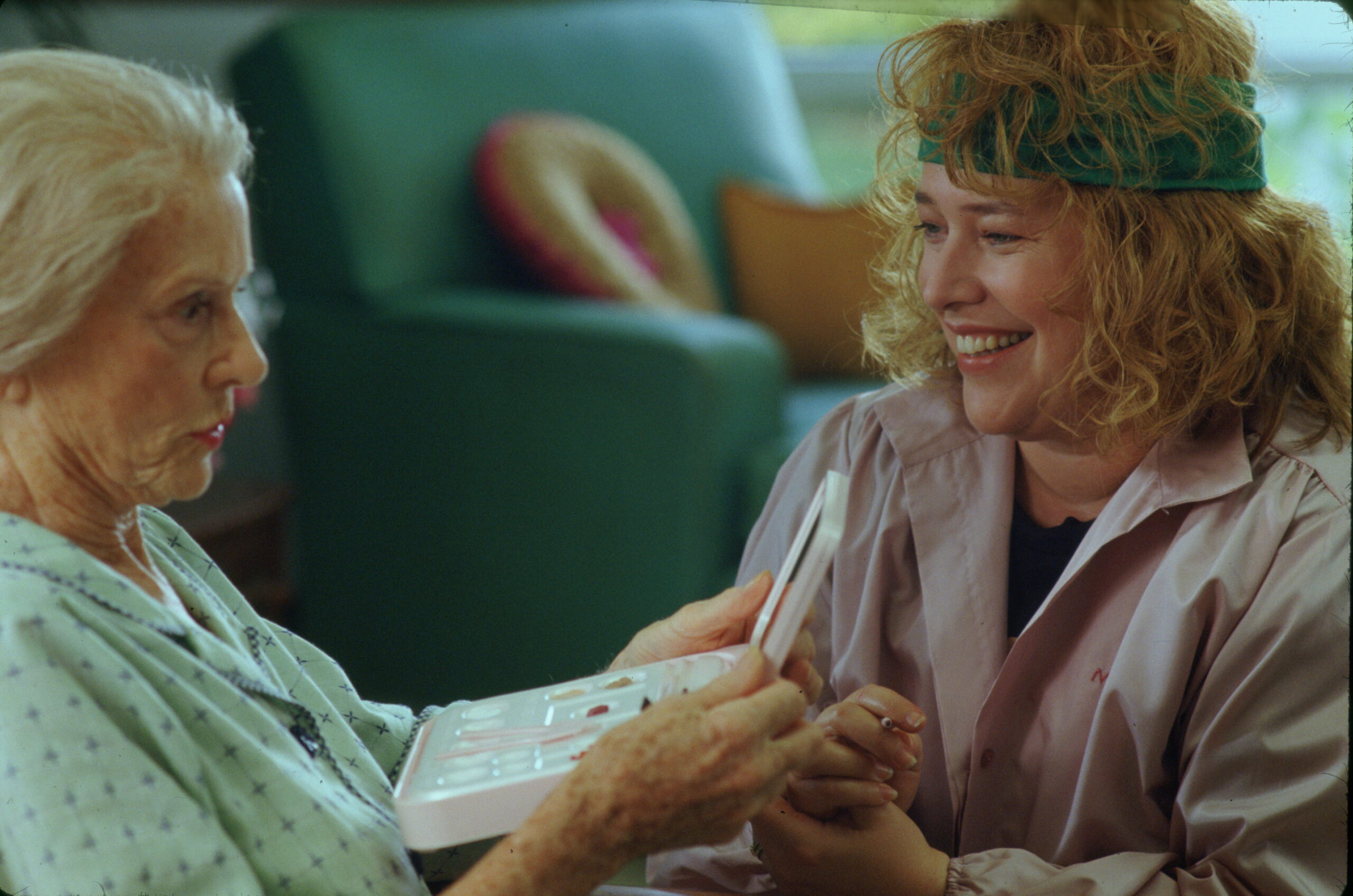
Evelyn Couch enters the story feeling stuck in a life that has grown small and repetitive. She moves through each day unnoticed, unsure if anything more waits for her. That begins to change when Ninny Threadgoode starts sharing her stories. They arrive simply, full of warmth and detail, and they begin to draw Evelyn in. Confidence returns a little at a time. Curiosity follows close behind. Listening turns into connection, and that connection begins to shift something real in her life. The film reminds us that friendship does more than comfort; it restores.
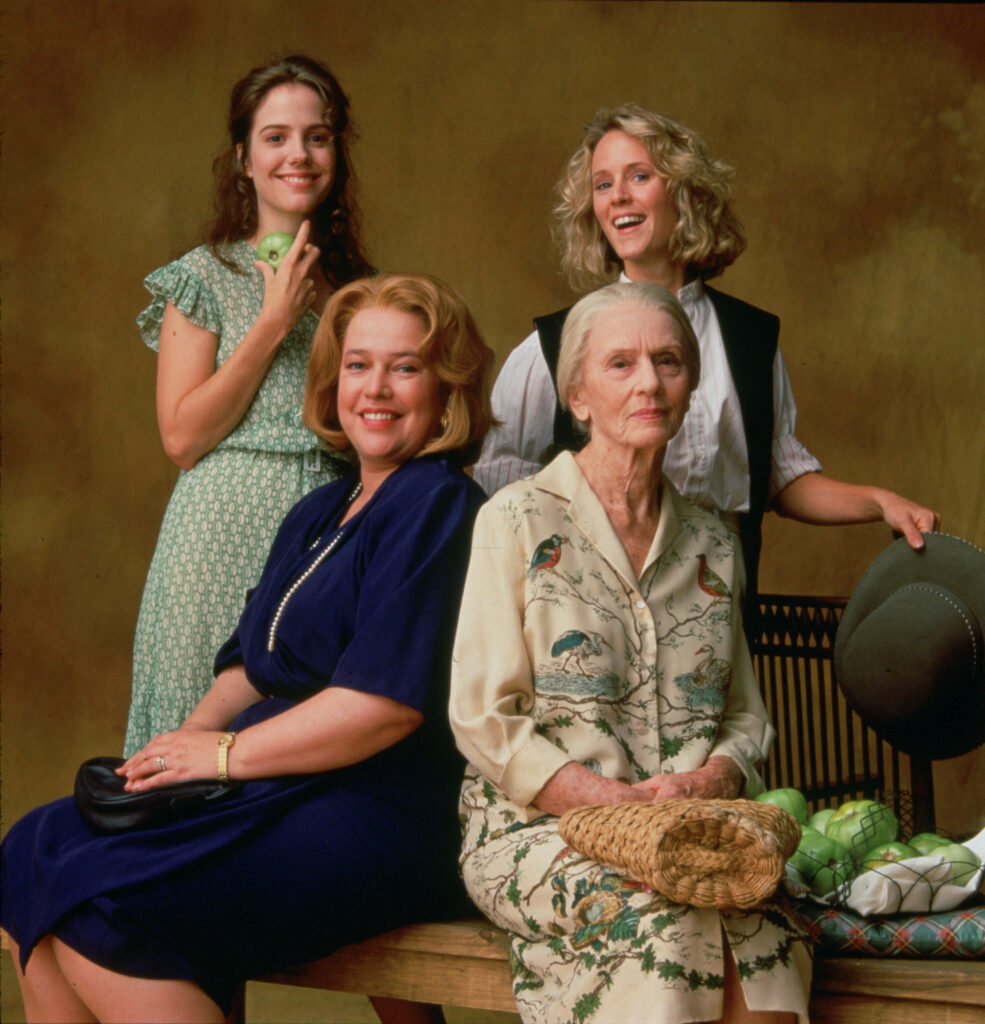
Those stories lead us to Idgie and Ruth, where that same truth takes on deeper weight. Their bond offers loyalty, protection, and a sense of belonging in a world that often withholds all three. Ruth finds safety there. Idgie finds purpose. Across both timelines, the message remains steady. Friendship sustains. It shows up in shared meals, quiet conversations, and the simple act of truly seeing another person.
As Evelyn’s story unfolds, her growth builds until it finally finds its voice. The parking lot scene brings the laughter, but it also carries a deeper truth. For much of her life, Evelyn has tried to stay small and agreeable. Over time, that begins to change. Her voice strengthens. Her presence grows.
When she finally stands her ground, the moment feels earned because it is. It reflects a familiar turning point, the choice to stop shrinking. Idgie, by contrast, never learns to make herself smaller. She moves through the world boldly, claiming her space without apology. Ruth offers a quieter path. She chooses to leave a life that harms her, even when the road ahead feels uncertain.
Together, their journeys show that strength does not follow a single pattern. Sometimes it arrives loud and all at once. Other times it builds slowly, steady as a Southern summer. Each path carries its own kind of power, and each one makes room for a fuller life.
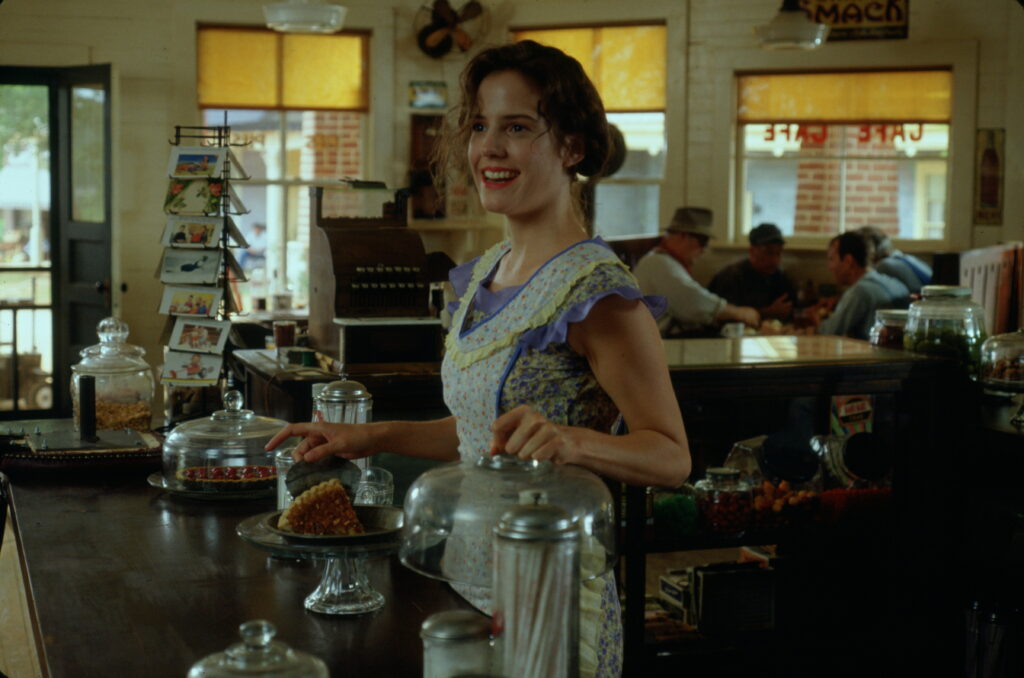
If there is one universal truth in Southern storytelling, it is this: when in doubt, feed somebody. The Whistle Stop Café becomes more than just a setting. It turns into a gathering place, a refuge, and a heartbeat for the entire community. People walk in hungry and leave with more than just a full stomach.
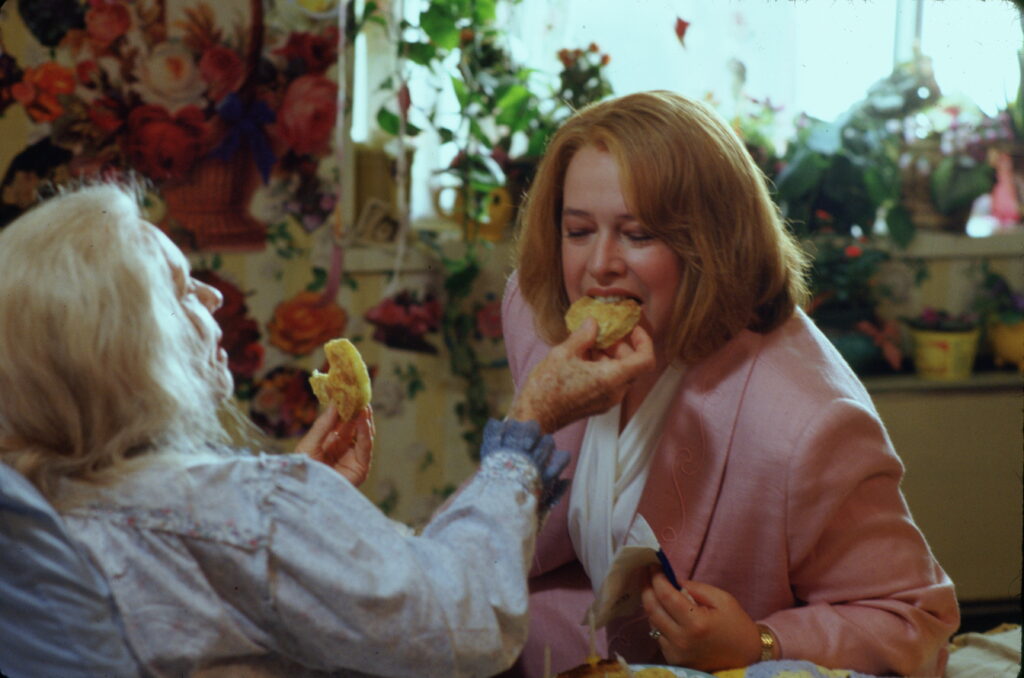
Viewers quickly notice that food in this film is never just food. It is comfortable, welcoming, and ultimately a way of saying “You belong here.” Idgie and Ruth do not overcomplicate things. They cook, they serve, and they create a space where people feel at ease. That simplicity is part of the charm.
There is laughter around those tables. There is conversation. There is a sense that, for a little while, everything is going to be okay. Audiences recognize that feeling, even having never set foot in a place like Whistle Stop. It shows up in kitchens everywhere. A shared meal after a long day. A plate passed across the table without ceremony. The film gently reminds us that feeding people is one of the oldest, simplest ways to care for one another. And sometimes, that is exactly what is needed.
At its heart, Fried Green Tomatoes understands the power of a good story and the way it can carry meaning across time. Each memory Ninny shares comes shaped with detail, humor, and heart. As she speaks, the past does not fade into the background. It rises up, vivid and full, filling in the spaces between what has been lost and what still remains. Whistle Stop begins to feel less like a memory and more like a place you could almost step into.
These stories do more than pass the time. They hold on to people, places, and small moments that might otherwise slip away. A conversation at the café. A quiet act of courage. A life changed in passing. Through storytelling, each of these moments finds a way to last. In Ninny’s voice, memory becomes something living, something that continues to breathe.
In that way, storytelling becomes a kind of inheritance. It passes from one person to another, steady and unassuming. It bridges generations, holds on to what matters, and keeps connection alive even as time moves on.
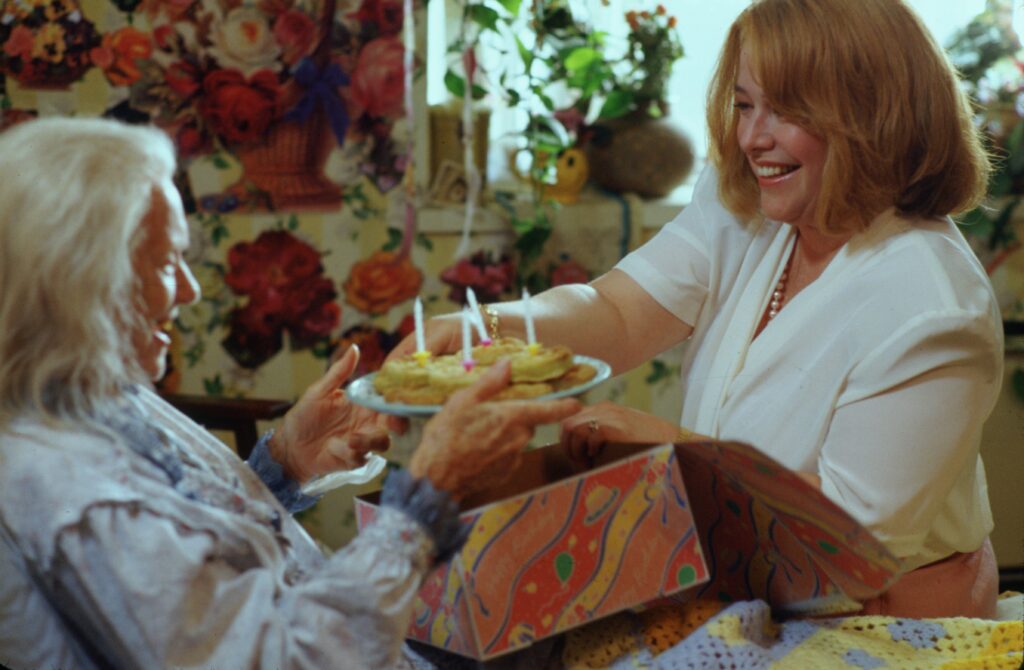
No viewing of the film is complete without a craving or two. By the time the café scenes roll around, most viewers are already thinking about what is sizzling in that kitchen. Fried green tomatoes are more than just a dish here. They are a symbol of everything the café represents. Warmth, simplicity, and a little bit of Southern charm.
Here is a classic version that captures the spirit of the film:
Ingredients:
4 firm green tomatoes
1 cup cornmeal
1/2 cup all-purpose flour
1 teaspoon salt
1/2 teaspoon black pepper
1/2 teaspoon paprika
1 cup buttermilk
1 egg
Vegetable oil for frying
Instructions:
Slice the tomatoes into even rounds and lightly salt them. Let them sit for about 10 minutes to draw out excess moisture.
In one bowl, whisk together the buttermilk and egg. In another, mix the cornmeal, flour, salt, pepper, and paprika.
Heat about half an inch of oil in a skillet over medium heat until it begins to sizzle.
Dip each tomato slice into the buttermilk mixture, then coat it in the cornmeal mixture. Press gently so the coating sticks.
Place the slices in the hot oil and fry for 3 to 4 minutes per side, until golden brown and crisp. Work in batches to avoid overcrowding the pan.
Transfer to a paper towel lined plate and sprinkle with a little extra salt while still hot.
Serve warm and enjoy right away.
Sign up for our newsletter to keep up to date with all our screenings.






"*" indicates required fields

