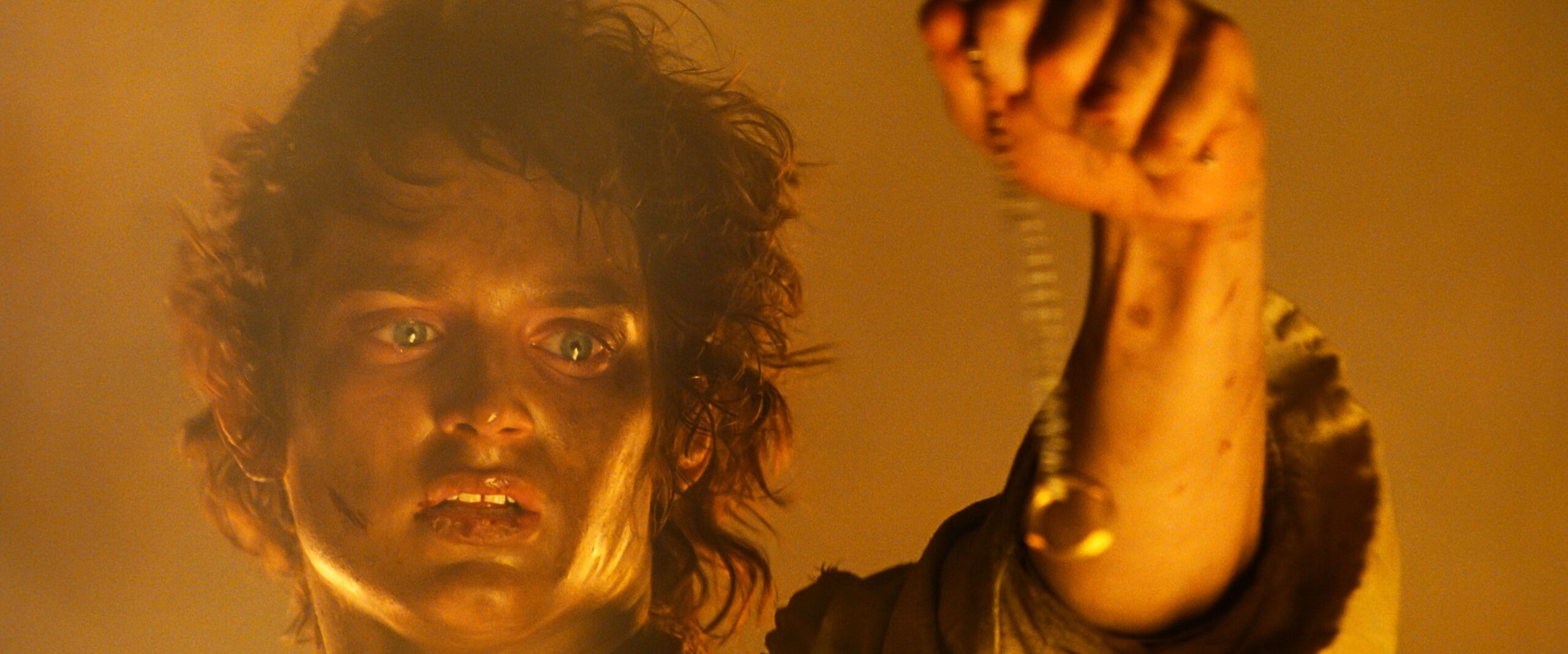
From Hobbiton to Hollywood: Why The Lord of the Rings Still Rules
Written by on Jan 12, 2026 2:19 PM


Written by on Jan 12, 2026 2:19 PM
When The Lord of the Rings premiered between 2001 and 2003, it did far more than entertain audiences. It redefined what modern cinema could accomplish. Directed by Peter Jackson and adapted from the novels of J. R. R. Tolkien, the trilogy set out to bring a beloved fantasy world to the screen, but its influence extended well beyond adaptation. The films challenged industry expectations, proving that epic storytelling could balance emotional intimacy, artistic ambition, and massive scale at the same time.
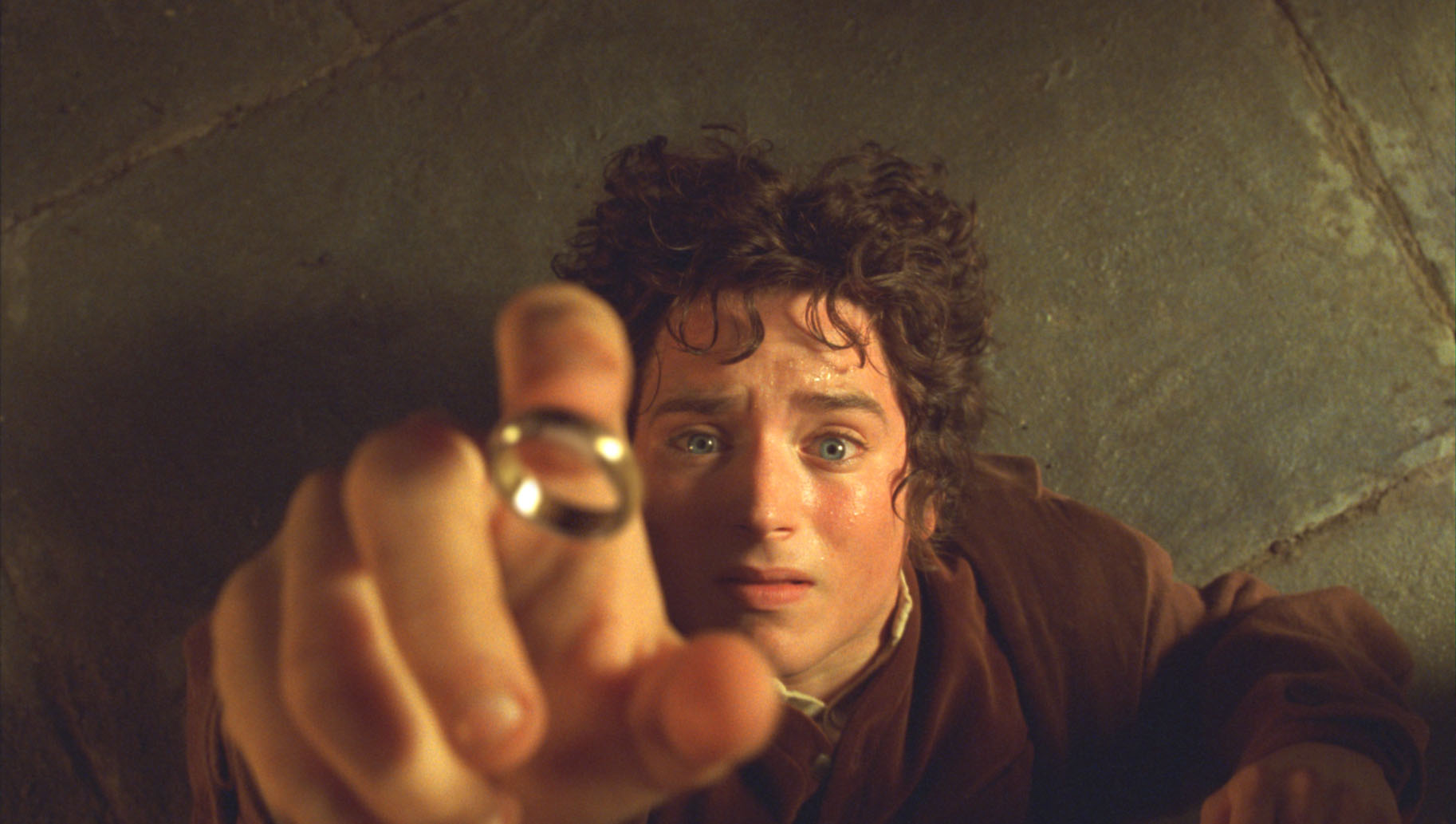
Spanning The Lord of the Rings: The Fellowship of the Ring, The Lord of the Rings: The Two Towers, and The Lord of the Rings: The Return of the King, the trilogy fused groundbreaking visual effects with richly developed characters and timeless myth. Jackson and his collaborators approached fantasy with seriousness and respect, elevating the genre in the eyes of both studios and audiences. More than two decades later, The Lord of the Rings continues to shape popular culture and filmmaking, and its story of courage, sacrifice, and hope still resonates with its fandom around the world.
With The Lord of the Rings Trilogy returning to theatres nationwide on January 16th, we grabbed our Lembas bread, opened our Longbottom Leaf, and returned to the trilogy that changed pop culture.
When The Lord of the Rings: The Fellowship of the Ring premiered in 2001, it carried enormous creative and financial risk. Fantasy films had long struggled for critical respect, and many believed Tolkien’s world was too complex and expansive to translate successfully to the screen. Peter Jackson pushed back against these doubts by treating the material with restraint and sincerity. He grounded the story in character, emotion, and moral consequence, allowing the fantasy elements to support the narrative rather than overwhelm it. The result reintroduced epic fantasy to mainstream audiences as a genre capable of depth, realism, and emotional power.
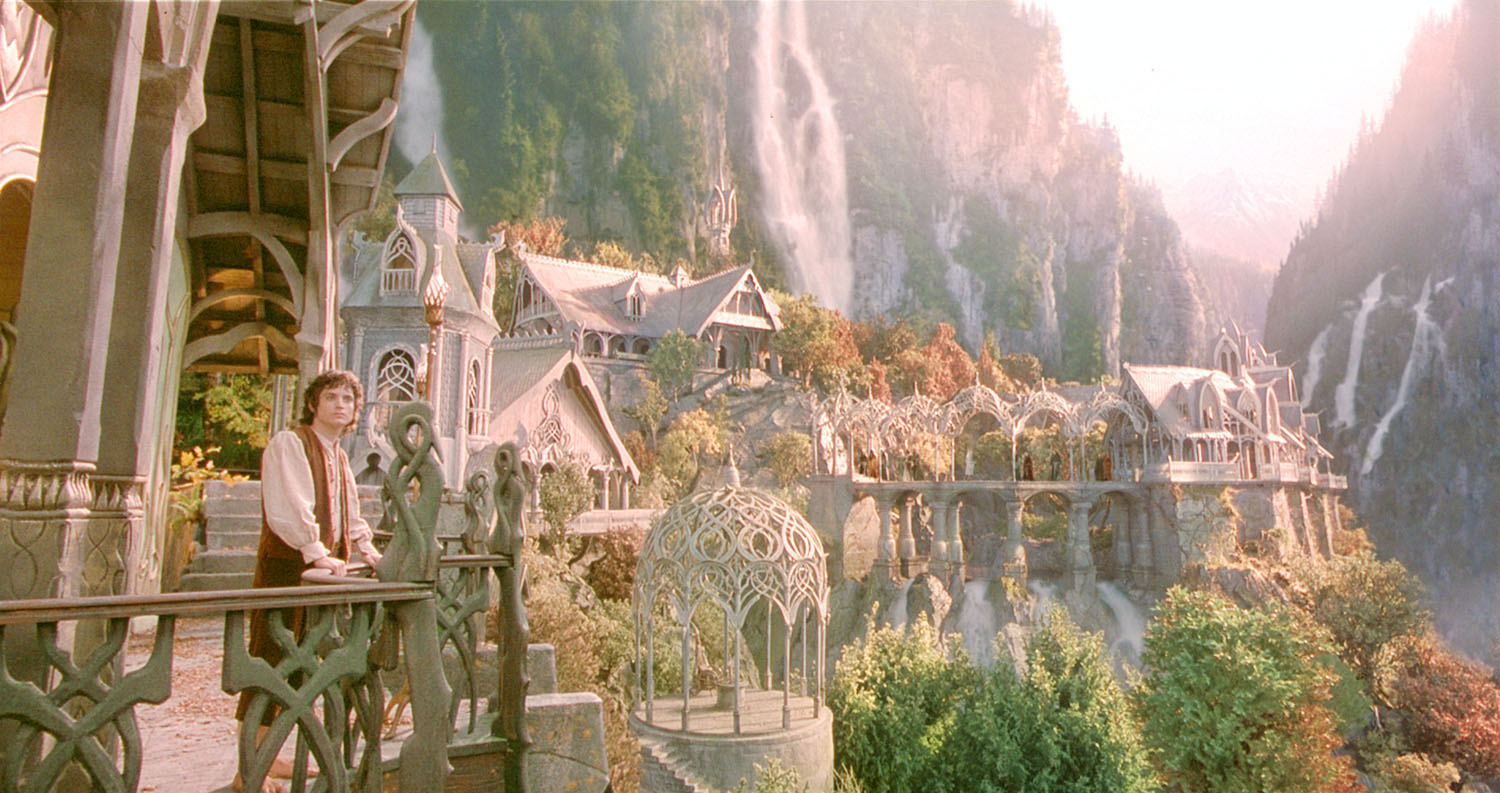
The film reshaped how audiences viewed fantasy storytelling. Middle-earth felt like a lived-in historical world rather than a whimsical escape, complete with cultures, languages, and a sense of deep time. Its success showed that audiences were eager for immersive worlds with ethical complexity and long-form storytelling. This shift encouraged studios to invest in ambitious fantasy and science fiction projects designed to unfold across multiple films, influencing the franchise-driven landscape that now dominates cinema.
The Lord of the Rings: The Fellowship of the Ring also played a defining role in shaping early 2000s fan culture. Online communities grew rapidly as viewers analyzed lore, debated character choices, and shared interpretations. Fans organized marathon screenings, cosplay events, and book rereads that coincided with the film’s release. This level of engagement helped normalize participatory fandom and laid the groundwork for how modern franchises interact with their audiences. Beyond fan communities, the film had a tangible real-world impact. The landscapes of Middle-earth sparked global interest in New Zealand, transforming filming locations into major tourist destinations and permanently linking the country’s identity with cinematic fantasy. At the 74th Academy Awards, the film won four Oscars® and received a Best Picture nomination, signaling that fantasy cinema could earn both popular and critical respect.
Released the following year, The Lord of the Rings: The Two Towers expanded the scope of the story while pushing its characters into darker and more uncertain territory. The film emphasized the cost of war, the strain of leadership, and the fragility of hope under pressure. Its most lasting cultural contribution came through its approach to large-scale action. The Battle of Helm’s Deep redefined how cinematic battles could function within a story. Rather than relying solely on spectacle, the sequence maintained clear geography, emotional stakes, and strong character perspective. This approach influenced countless later films and television series, from historical epics to fantasy dramas.
The film also reshaped audience expectations for digital characters through the portrayal of Gollum. His internal conflict and emotional complexity, conveyed through performance rather than exposition, marked a turning point in how visual effects of characters could function within a narrative. Viewers responded not to the technology itself, but to the humanity behind it. Thematically, The Lord of the Rings: The Two Towers resonated during a period of global uncertainty, as its focus on division, endurance, and moral compromise reflected real-world anxieties. At the 75th Academy Awards, the film earned two Oscars®, reinforcing the trilogy’s growing reputation for technical excellence and narrative ambition.
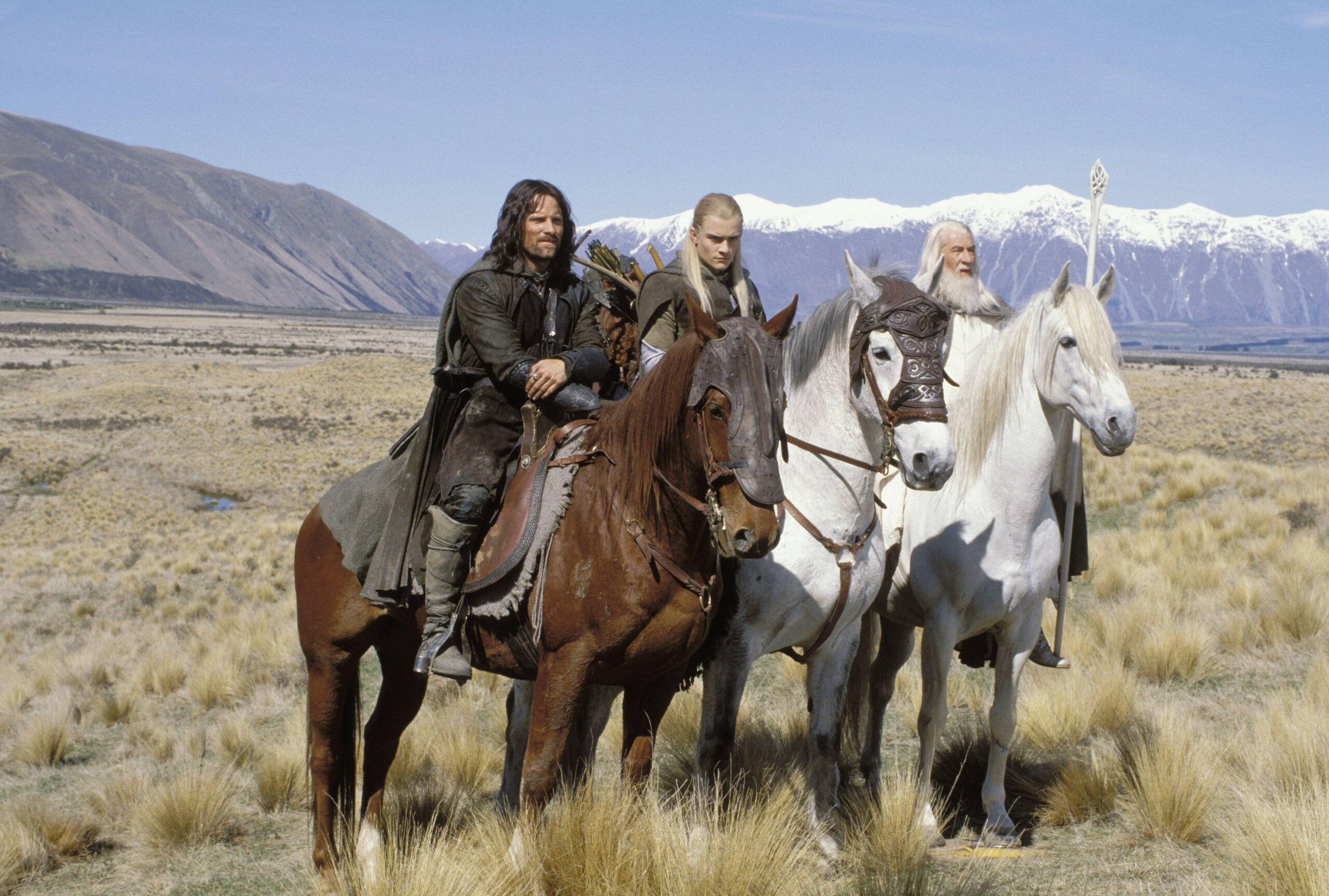
By the time The Lord of the Rings: The Return of the King arrived in 2003, anticipation had reached extraordinary levels. The film represented the culmination of a multi-year filmmaking experiment and faced immense pressure to deliver a satisfying conclusion. It succeeded not only by resolving its central conflict, but by allowing space for emotional aftermath. Rather than rushing to the end, the film lingered on grief, healing, and the cost of survival. This choice challenged blockbuster conventions and showed that audiences valued emotional resolution as much as spectacle.
The film became a shared global experience, dominating popular conversation and cementing moments that continue to echo throughout popular culture. Its portrayal of sacrifice and perseverance emphasized that victory often comes with lasting consequences, giving the story emotional weight beyond its genre.
At the 76th Academy Awards, the film won 11 Oscars®, including Best Picture, Best Director, and Best Adapted Screenplay. It won every category in which it was nominated, tying the record for the most Academy Awards won by a single film. Across all three installments, the trilogy earned 17 Oscars®, a record that remains unmatched and stands as recognition of the project as a unified artistic achievement.
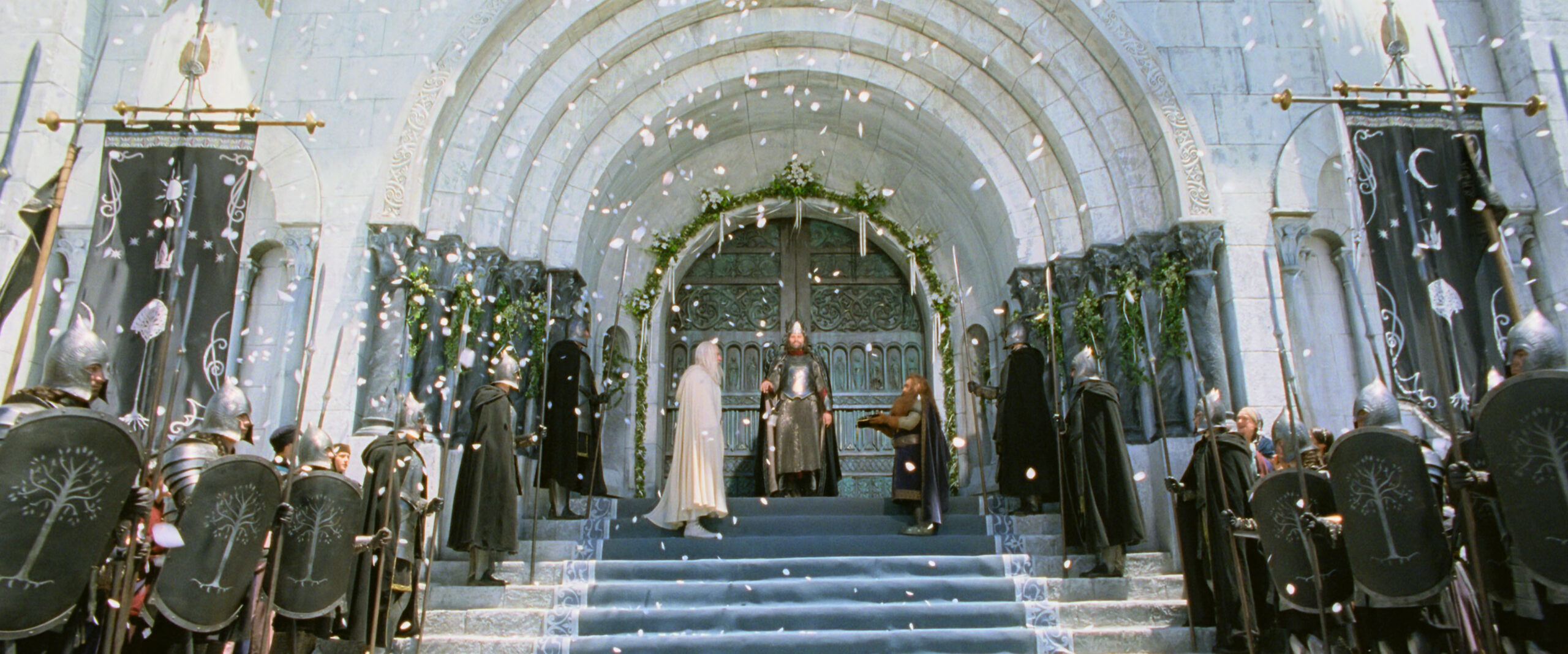
Together, the trilogy did more than adapt a literary classic. It reshaped genre filmmaking, transformed fan culture, and proved that epic fantasy could achieve lasting cultural and artistic significance.
The Lord of the Rings trilogy redefined filmmaking by showing how large-scale fantasy could feel grounded and believable. Peter Jackson and his creative teams blended innovation with traditional craft, using new technology to support storytelling rather than replace it. This balance helped the films maintain a sense of realism that continues to hold up decades later.
Instead of relying entirely on computer-generated imagery, the production built detailed miniature sets and practical environments that gave Middle-earth physical weight and texture. Digital effects expanded these elements rather than overpowering them, creating vast cities and landscapes that felt real and inhabited. This approach distinguished the trilogy from later films that leaned more heavily on fully digital worlds.
The portrayal of Gollum marked a turning point for motion capture performance. Andy Serkis’s physical and emotional acting shaped the character from the ground up, establishing motion capture as a legitimate form of performance and influencing countless films that followed.
Cinematography further grounded the fantasy through real locations, wide landscape shots, and forced perspective techniques that convincingly portrayed differences in scale between characters. Howard Shore’s score unified the trilogy emotionally, using recurring musical themes to reflect cultures, characters, and the evolving stakes of the story. Together, these choices created a cinematic language that reshaped blockbuster filmmaking and continues to influence the genre today.
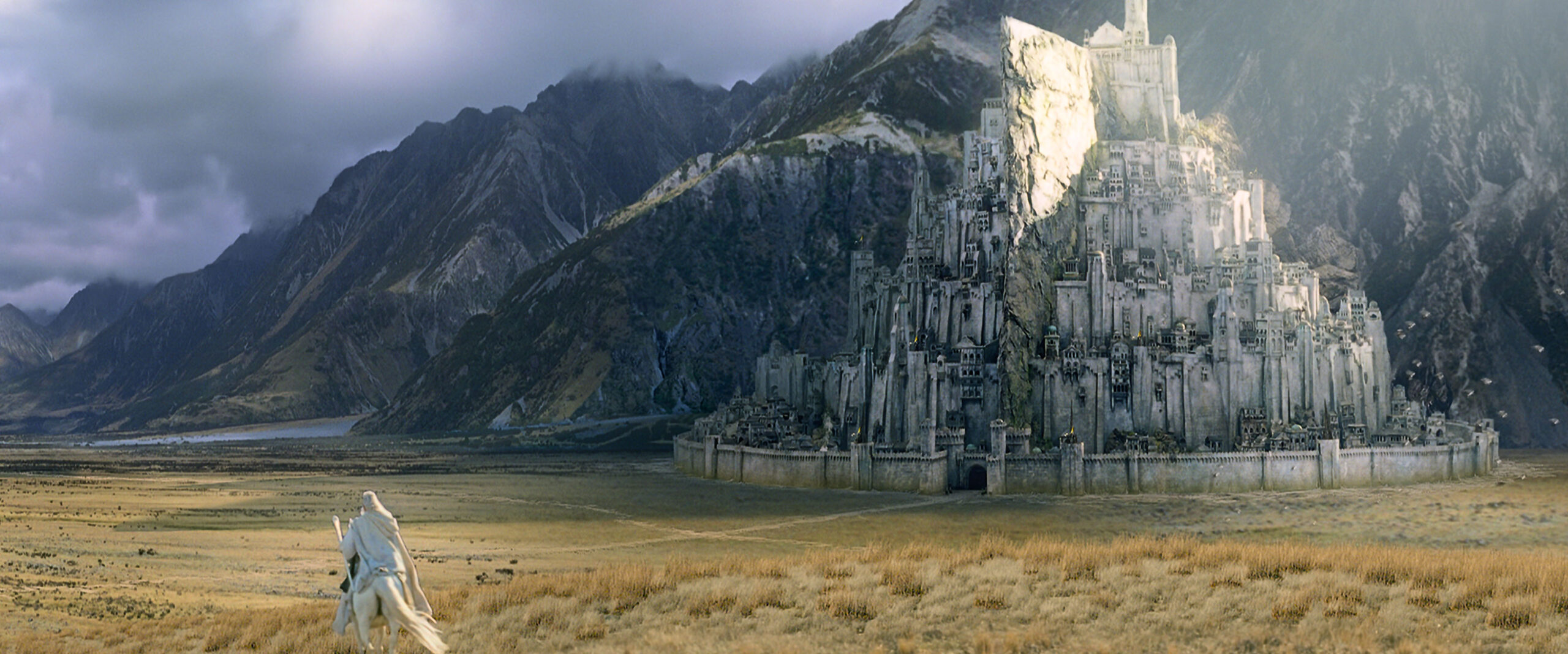
More than two decades after its release, The Lord of the Rings trilogy continues to resonate because it places story, character, and meaning above cinematic trends. While technology and blockbuster formulas have evolved, the heart of these films remains timeless. At its core, the trilogy tells a deeply human story about friendship, courage, temptation, sacrifice, and loss. These themes cross generations and cultures, reminding audiences that even ordinary individuals can confront overwhelming darkness through compassion, resilience, and moral choice.
The trilogy’s longevity also stems from its unified creative vision. Because all three films were planned and filmed as a single project, they maintain a consistent tone, narrative focus, and emotional trajectory from beginning to end. This cohesion gives the story a sense of purpose and completeness that many long-running franchises struggle to achieve. Each installment builds naturally on the last, creating a journey that feels intentional rather than episodic.
The legacy of The Lord of the Rings continues to grow as new viewers discover Middle-earth through theatrical re-releases. Each generation finds something different within the story, whether it is adventure, comfort, or inspiration. In an ever-changing cinematic landscape, the trilogy endures not because it was the biggest or the loudest, but because it was crafted with care, conviction, and a belief in the power of storytelling. Few films have invited audiences on such a meaningful journey, and fewer still continue to welcome them back, again and again.
Sign up for our newsletter to stay up to date with all our events.


"*" indicates required fields

