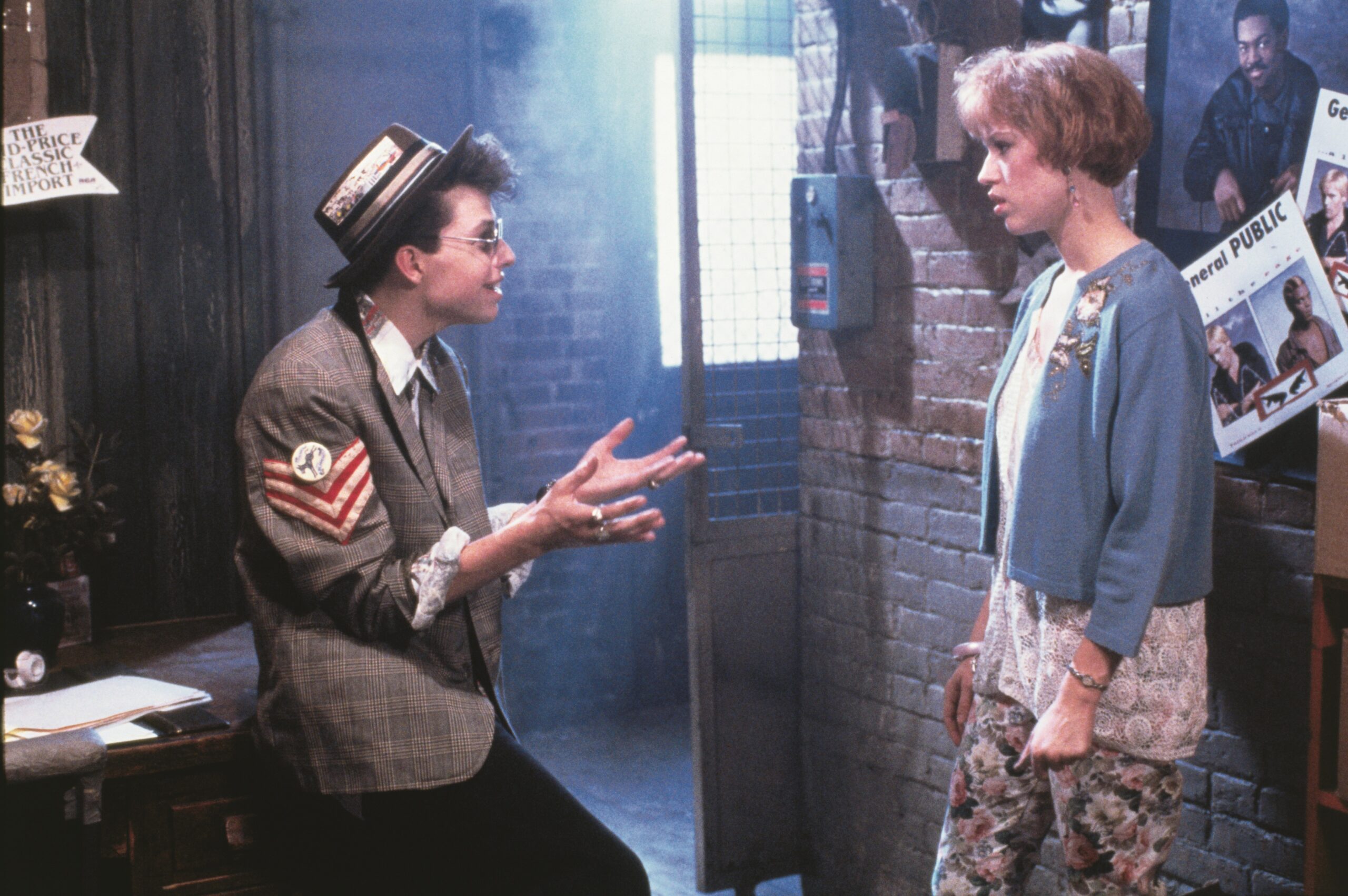
Outsiders, Romance, and the Brat Pack Era
Written by on Jan 30, 2026 12:00 PM


Written by on Jan 30, 2026 12:00 PM
In the early 1980s, Hollywood discovered a group of young actors who seemed to speak directly to teenage life. Journalists later called them the Brat Pack, a label that stuck even as many of the actors resisted it. Emilio Estevez, Molly Ringwald, Judd Nelson, Ally Sheedy, Rob Lowe, Andrew McCarthy, and Demi Moore became familiar faces to a generation that wanted stories about themselves. These performers did not look like distant movie stars. They looked like kids who sat in classrooms, worried about popularity, and wondered what adulthood might bring.
The Brat Pack films focused on the emotions and conflicts that defined adolescence. They showed friendship, jealousy, desire, and fear with a sincerity that felt new. Earlier teen movies often relied on broad comedy or moral lessons. These films instead trusted small moments and character-driven drama. A glance across a cafeteria or a tense car ride after school carried weight. The actors delivered performances that felt natural, which helped audiences believe the stories.
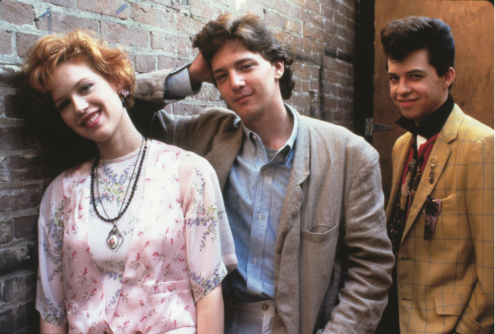
Media attention amplified the phenomenon. A single magazine article framed these actors as a clique that partied too hard and took fame for granted. The label followed them for years, sometimes limiting the roles studios offered. Still, the films endured because they captured something true. The Brat Pack era reflected a shift in youth culture. Teenagers wanted authenticity, and these movies tried to give it to them.
With the 40th anniversary of Pretty in Pink returning to theatres nationwide this February, we are diving into the Brat Pack era.
No discussion of the Brat Pack can ignore John Hughes. As a writer and director, Hughes shaped the tone and themes of many defining films of the decade. He wrote characters who spoke with honesty and humor. He listened to how teenagers talked and thought. His scripts gave young actors room to explore vulnerability and wit.
Hughes believed that teenage feelings mattered. He treated heartbreak and alienation as serious experiences, not as jokes to dismiss. Films like Sixteen Candles and The Breakfast Club showed young people struggling with identity, class, and family pressure. Hughes balanced comedy with empathy, which helped audiences laugh and reflect at the same time.
Pretty in Pink stands apart from Hughes directed projects, yet his influence remains clear. He wrote the screenplay, and it carried his signature focus on outsiders and social boundaries. The film also highlighted class differences in a way that felt grounded. Rich kids and poor kids did not just dress differently. They lived in separate worlds with distinct expectations. Hughes used romance as a lens to explore those divisions.
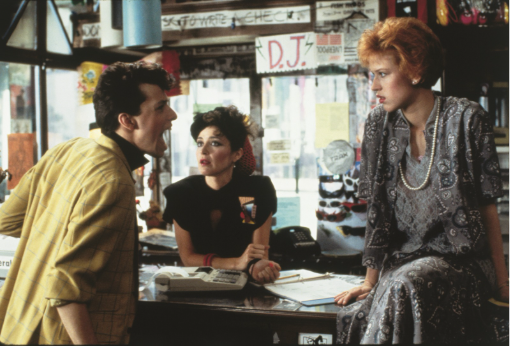
The success of these films changed how studios viewed teen audiences. Executives realized that young people would show up for stories that respected their intelligence, opening doors for more nuanced portrayals of adolescence. Even films that did not involve Hughes borrowed elements of his style.
Pretty in Pink centers on Andie Walsh, a creative and independent teenager who navigates life on the margins. She lives with her struggling father and designs her own clothes because she cannot afford store bought fashion. Molly Ringwald plays Andie with warmth and resolve. She refuses to apologize for her background, even when her peers judge her.
The film tells a classic love story, yet it complicates it through class conflict. Andie falls for Blane, a wealthy boy who likes her authenticity but fears his friends’ opinions. Their romance highlights how societal pressure shapes personal choices. Blane’s hesitation frustrates Andie, and the film treats that frustration as justified. Love alone does not erase inequality.
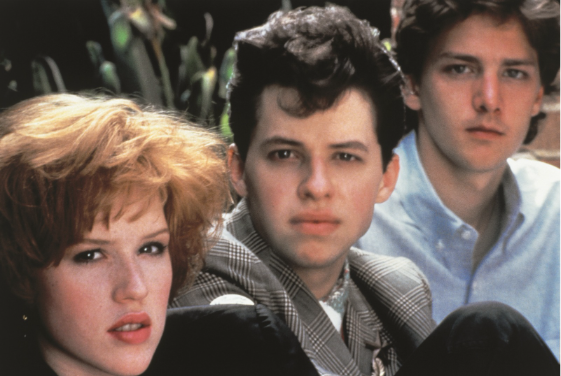
Duckie, Andie’s best friend, adds another layer to the story. He loves Andie deeply but struggles to accept that she does not return his feelings. Jon Cryer plays Duckie with energy and vulnerability. The character represents the pain of unrequited love and the danger of entitlement. The film does not reward Duckie with romance simply because he waits patiently. Instead, it allows him to grow and accept Andie’s autonomy.
The ending of Pretty in Pink sparked debate for decades. Early test audiences rejected an original conclusion that paired Andie with Duckie. The final version restores Blane as the romantic lead, while still emphasizing Andie’s self-respect. She demands honesty and courage from Blane before she accepts him. The film closes on a hopeful note without pretending that class barriers vanish overnight.
The Brat Pack era and Pretty in Pink left a lasting mark on popular culture, shaping how future generations viewed teenage life on screen. They influenced directors, writers, and actors who grew up watching them. Many modern coming-of-age stories echo their focus on emotional realism.
Pretty in Pink also stands as a fashion touchstone. Andie’s handmade dresses and bold color choices inspired fans to see style as self-expression rather than conformity. The film linked creativity with confidence, a message that still resonates. Its soundtrack, filled with new wave and pop, also helped define the decade’s sound.
Critics continue to reassess the Brat Pack films through contemporary lenses. Some viewers note their limited diversity and their focus on suburban experiences. These critiques matter, yet they do not erase the impact of the work. The films captured a specific moment in American culture and reflected the concerns of their audience at the time.
Today, Pretty in Pink and its companion films endure because they feel personal. They remind viewers of first loves, awkward friendships, and the search for identity. The Brat Pack may have resisted the label, but their work speaks for itself. Through stories of outsiders and dreamers, they gave voice to a generation and left a legacy that still invites connection.
Sign up for our newsletter to stay up to date with all our releases.



"*" indicates required fields

